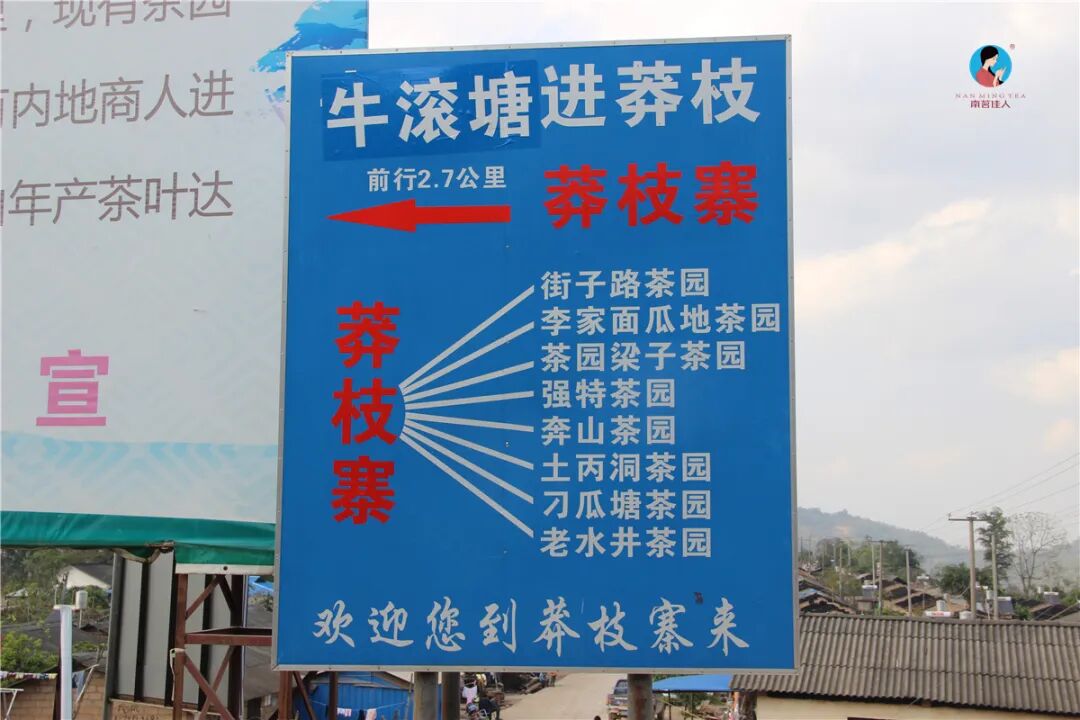
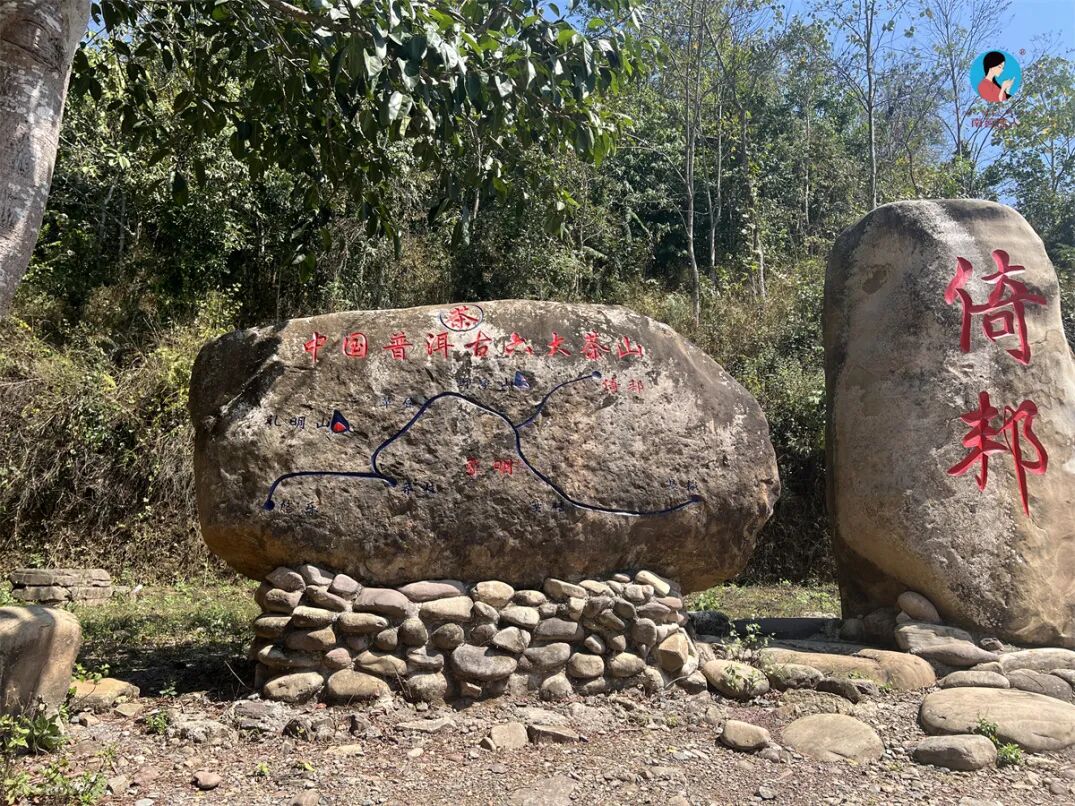
走过古六山、看过古六山,会发现以象明为中心,蛮砖它单独在东南边。First conceived as a county in 1927, it was abolished just two years later.
蛮砖茶山坐落的村寨,行政区划上属象明乡。Four years later, in 1931, it was reestablished as Xiangming Township.
而象明乡的设立,在历史时局更迭中,历经了多年动荡。In 1953, Xiangming came under Mengwang, with its administrative office located at Yibang.
从民国16年(1927年)筹划设象明县,短短2年后就被取消。By 1958, Xiangming was placed under Yiwu County, establishing an Xiangming Administrative Office.
再次改设,时间来到了4年后(1931年),有了‘象明乡’。In 1969, the office was renamed Xiangming People's Commune, based at Dahebian.
1953年,象明又改属勐旺,此时的办事处在倚邦。In 1988, Xiangming Yi Ethnic Township was officially established, governing eight village committees: Yibang, Man Gong, Man Lin, Man Zhuang, Xin Fa, An Le, Long Gu, and Da He Bian.
到了1958年,象明被划分在易武县,有了象明办事处。By 2000, Xiangming Township encompassed five administrative villages: Yibang, An Le, Man Lin, Long Gu, and Man Zhuang.
1969年,象明办事处名字改为‘象明公社’,此时办事处设置在大河边。Among them:
1988年,‘象明彝族乡’设立。并下辖了“倚邦、曼拱、曼林、曼庄、新发、安乐、龙谷、大河边”8个村委会。Yibang Village Committee—Mibu, Man Gong, Mali Shu, Long Gu He, Man Gui Shan, He Bian Cun, Lao Jie Zi, and others
发展到2000年,象明彝族乡包含了:倚邦、安乐、曼林、龙谷、曼庄5个行政村。An Le Village Committee—Shi Liang Zi, Niu Geng Tang, Hong Tu Po, Qiao Tou Shan, Yang Lin, Zhi Bang, Ge Deng Lao Zhai, and others
那么,像今天我们熟知的弥补、曼拱、麻栗树、龙谷河、曼桂山、河边村、老街子等属于倚邦村委会管理。Man Lin Village Committee—Man Sai (New/Old) Village, Bao Dian (New/Old) Village, Man Lin, Gao Shan Zhai, Xiao Man Nai, and others
石良子、牛滚塘、红土坡、撬头山、秧林、值蚌、革登老寨等属于安乐村委会管理。Man Zhuang Village Committee—Man Zhuang, Wa Long, Bei Yin Shan, Jia Bu, Xi Kong, Man Song (prior to 1984 under Yibang, after 1984), Xin Man Gong, Xiao Man Long (which manages the Taozi Zhai tea gardens), and others
曼赛(新/老)寨、保甸(新/老)寨、曼林、高山寨、小曼乃等属于曼林村委会管理。Long Gu Village Committee—Long Gu Groups 1 and 2, Man Pa, Man San, and other villages.
曼庄、瓦竜、背阴山、架布、习崆、曼松(1984年前是隶属倚邦,1984年后)、【新曼拱、小曼竜(管理着桃子寨茶园)】等属于曼庄村委会管理。In the six ancient tea mountains, Manzhuan has always been the quietest presence.
龙谷村委会下辖龙谷一、二组,曼帕、曼伞等村寨。But as early as 1727, in the fifth year of the Yongzheng reign, Governor-General Eertai's five memorial reports to the Yongzheng Emperor mentioned Manzhuan multiple times. The village names of Man Lin (Man Lin) and Xiao Manzhuan Village appeared repeatedly throughout the documents.
在古六山里,我们现在来看,蛮砖一直是很低调的存在。但其实早在1727年的雍正五年时,总督鄂尔泰在和雍正帝来往的五份奏折中【蛮砖】就出现多次。并且蛮砖的慢林(曼林)小蛮砖寨等寨名更是反复出现在奏折里。Nine years later, in 1736—the first year of the Qianlong reign—the Complete Gazetteer of Yunnan recorded: "Among the teas produced at Yōulè, Gēdēng, Yǐbāng, Mǎngzhī, Mán Duān, and Màn Sā, the teas of Yǐbāng and Mán Duān are considered superior."
9年后(即乾隆元年1736年)的《云南通志》里记载到:“(普洱府)茶,产攸乐、革登、倚邦、莽枝、蛮耑、慢撒六茶山,而倚邦、蛮耑者味较胜。”Amid all the historical shifts, Manzhuan has remained one of the six ancient tea mountains.
历史变迁中,蛮砖一直是古六山之一。Some locals say that Yiwu's seven-cake tea—one half of its legacy—is supported by Manzhuan tea.
甚至当地人的描述里,易武七子饼的半壁江山是蛮砖茶撑起来的。---
第一次去蛮砖茶山,距今已过8载春秋。My first visit to Manzhuan Tea Mountain was eight years ago.
那时候去的是曼庄村,恰好是村长家。We went to Man Zhuang Village that day, and happened upon the village head's home.
村长和我们一行人聊的很畅快,如今虽记不得当时说了什么,但那种感觉还在脑海里。The village head spoke with us freely, and though I can no longer recall exactly what was said, the feeling remains vivid.
喝着茶,聊着天,又带着我们去看古茶园。We drank tea, chatted, and he then led us to the ancient tea garden.
山腰下到山脚,跨一条山溪,又爬到另一座山的山腰,郁郁葱葱、苍劲古朴的古茶树映入眼帘。Descending from the mountainside to the valley floor, crossing a mountain stream, and climbing the slope of another hill—lush, ancient tea trees came into view.
此时古茶树还在沉睡。The tea trees were still dormant.
有一部分的茶树在很多年前是被砍过头的,到如今又展现着蓬勃生命力。Some had been cut back years ago, yet now showed vigorous new growth.
山风微拂间,树叶唰唰作响,似在欢迎我们,又似乎是它们在窃窃私语。A gentle mountain breeze rustled the leaves, as if welcoming us, or perhaps whispering among themselves.
再去蛮砖,我们来到了它最南边的‘瓦竜’。---
去探寻这里与众不同的茶树叶型(特大叶、大叶、中小叶),以及品尝它的独特茶滋味。On a later visit, we went to the southernmost reaches of Manzhuan—Wa Long.
从象明街上出发,三分之二的路是非常好走的,只有途中经过一段狭窄崎岖的山里水泥路。There, we explored the distinctive tea cultivars (extra-large leaf, large leaf, medium-small leaf) and tasted their unique character.
到瓦竜新建的寨门,再往里行驶10分钟左右就到了茶农朋友家。Two-thirds of the journey from Xiangming's main road is smooth, except for a narrow, winding stretch of mountain pavement.
茶园离寨子很远,天气晴,山路不泥泞,车子可以开一段。After passing through Wa Long's newly built village gate, about ten minutes' drive brings us to the tea farmer's home.
徒步走到茶园,举目望去,皆是笔直向上生长的古茶树。The tea garden is far from the village. On clear days, when the mountain roads are not muddy, the car can go quite far.
这里的古茶树棵棵都是大长腿!Walking to the garden, the first sight is ancient tea trees growing straight upward.
周围林木环绕,各类鸟兽虫蚁活跃其间,形成一个非常优秀的生态系统。The ancient trees here are all tall and proud.
茶树的叶型囊括了特大叶、大叶、中小叶。Surrounded by forest, birds, beasts, insects, and microorganisms thrive together, forming an excellent ecosystem.
令人忍不住惊叹自然的神奇。The leaf types include extra-large, large, and medium-small, a wonder of natural diversity.
行走茶园,脚下是厚厚的落叶积层,丝毫不觉炎热。Walking the gardens, the thick layer of fallen leaves beneath our feet keeps the heat at bay.
它藏于深林,仿若一个隐士。It hides deep in the forest, like a recluse.
初次喝《蛮砖》,它给人的感觉是一款甜、苦、回甘生津、茶韵都刚刚好、‘均衡性很好’的茶。---
在昆明存储8年左右的《蛮砖》,用紫陶壶来泡,香气突显(油润、纯粹的干果蜜甜香为主调,馥郁梅子香为辅调,间或有干的陈木香。)Manzhuan—Eight-Year Aged Tea
茶汤入口细腻清润,1-3泡是纯粹的干果蜜甜(几无苦涩);4泡开始滋味逐渐变浓,5、6泡出了一点苦涩(但能化),回甘生津是绵密铺开的。Our first encounter with Manzhuan revealed a tea that was perfectly balanced—sweet, slightly bitter, with lingering sweetness, steady return, and well-proportioned tea charm.
甜凉宽阔的茶韵在5泡后开始出现,它的韵主要集中在上半段。Aged about eight years in Kunming, brewed in a purple clay pot, the fragrance is prominent: the primary note of dry fruit and honeyed sweetness, supported by rich plum, occasionally touched by aged wood.
整个的品感是香绕、甜润、舒适的。The liquor enters the mouth smooth and clear. Infusions 1-3 are pure dry fruit sweetness, virtually no bitterness or astringency. From infusion 4, the flavor intensifies. At 5-6, a hint of bitterness emerges (but it dissolves quickly), and the sweet return flows steadily.
而《瓦竜》则是与之完全不同的风格,新茶时的瓦竜性格是很外向、直接的。甜、苦、香都来得很直接。The cool, broad tea charm begins after infusion 5, concentrated mainly in the first half of the tasting.
茶汤糯润,茶香以蜜甜香为主携着缕缕山野花香。前5泡蜜甜为主(几无苦涩),6泡开始出现缕缕清苦(不细细咂摸可以忽略)。回甘从出现到尾段,逐渐增强,到10泡以后,整个口腔都是甜润的。The overall experience is fragrant, sweet, smooth, and comfortable.
如果是喜欢回甘浓强的茶滋味,《瓦竜》是很值得一品的。---
它的适口性很好,即使是新茶友也能驾驭。Wa Long—Young Tea